


News
On the night of 9-10 February 1940, the first 140 thousand Poles that lived in these areas were deported from the Eastern Borderlands occupied by the Soviet Union, mainly families of Polish military personnel, state officials, as well as forest and railway workers.
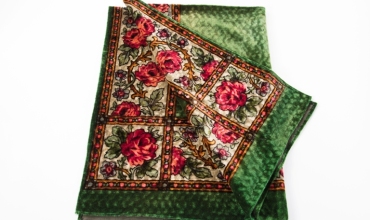
Among the many unique souvenirs in our collections - we present a decorative rug, belonging to a Jewish family. The fabric has floral and geometric motifs, characteristic for Polish rugs.
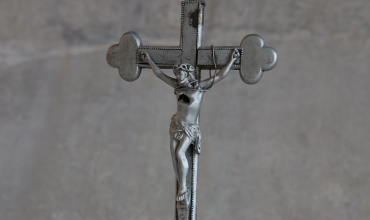
A metal cross with a base, most probably produced in the early twentieth century, used for private devotion, dimensions 41 cm x 19 cm.
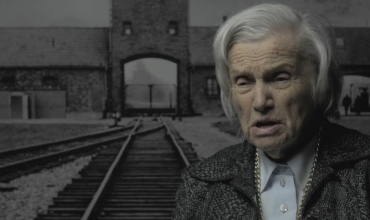
She was a member of the Polish Underground State - she printed and distributed texts for the underground, for which she was arrested in 1942. She was a prisoner in the following camps: Auschwitz Birkenau, Ravensbrück, Malhof, Buchenwald, later Leipzig.
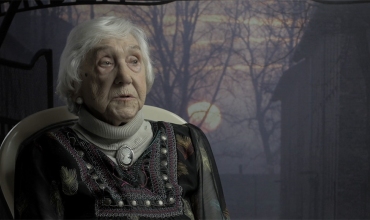
Lucyna Adamkiewicz: I was a prisoner in the Auschwitz-Birkenau camp, and in Gusen II camp. The way in which we were treated is indescribable. I could not believe when I heard that these were "Polish death camps". Those camps were German camps.
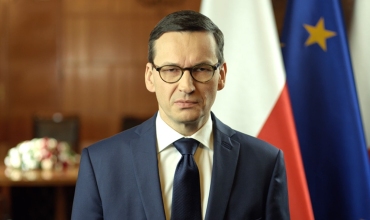
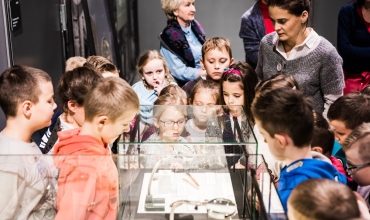
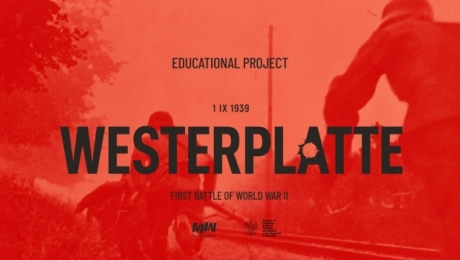
Pod opieką naszych edukatorów i archeologów, z pomocą narzędzi używanych przez prawdziwych archeologów poszukamy przedmiotów nawiązujących do historii obrony Westerplatte.
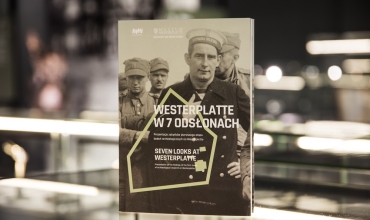
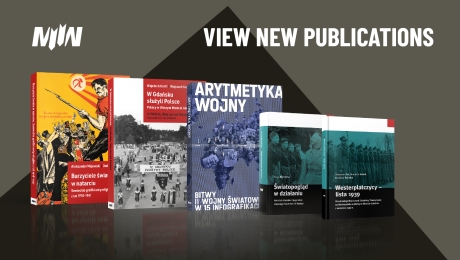
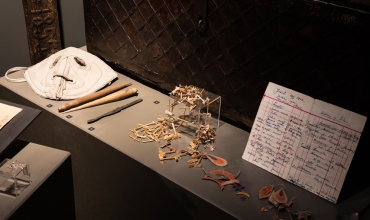
In December 2017, a catalog of the temporary exhibition "Westerplatte in 7 scenes" was published by our Museum. The catalog presents the results of the first stage of archeological research on Westerplatte.
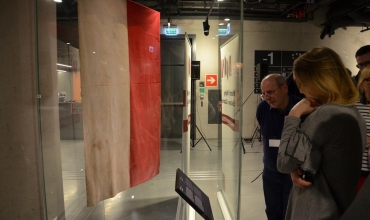
The members of the Gruszkowski family who lived in Lviv, in order to avoid the destruction of their flag, hid it in the home coal store, where it remained safe for the entire war.