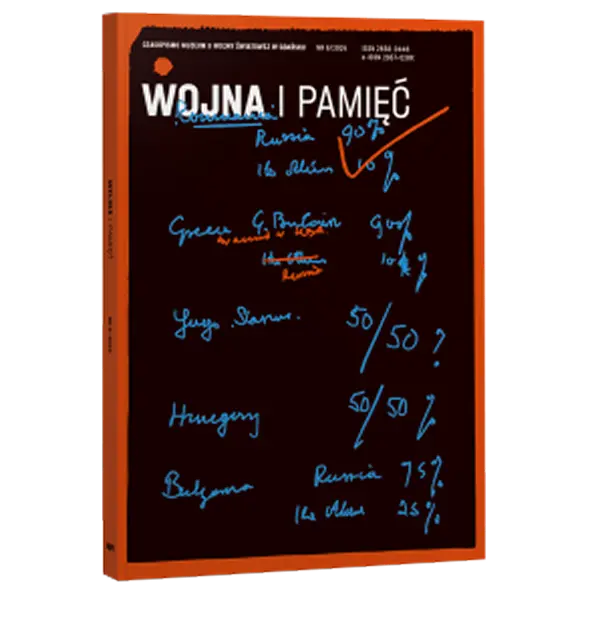
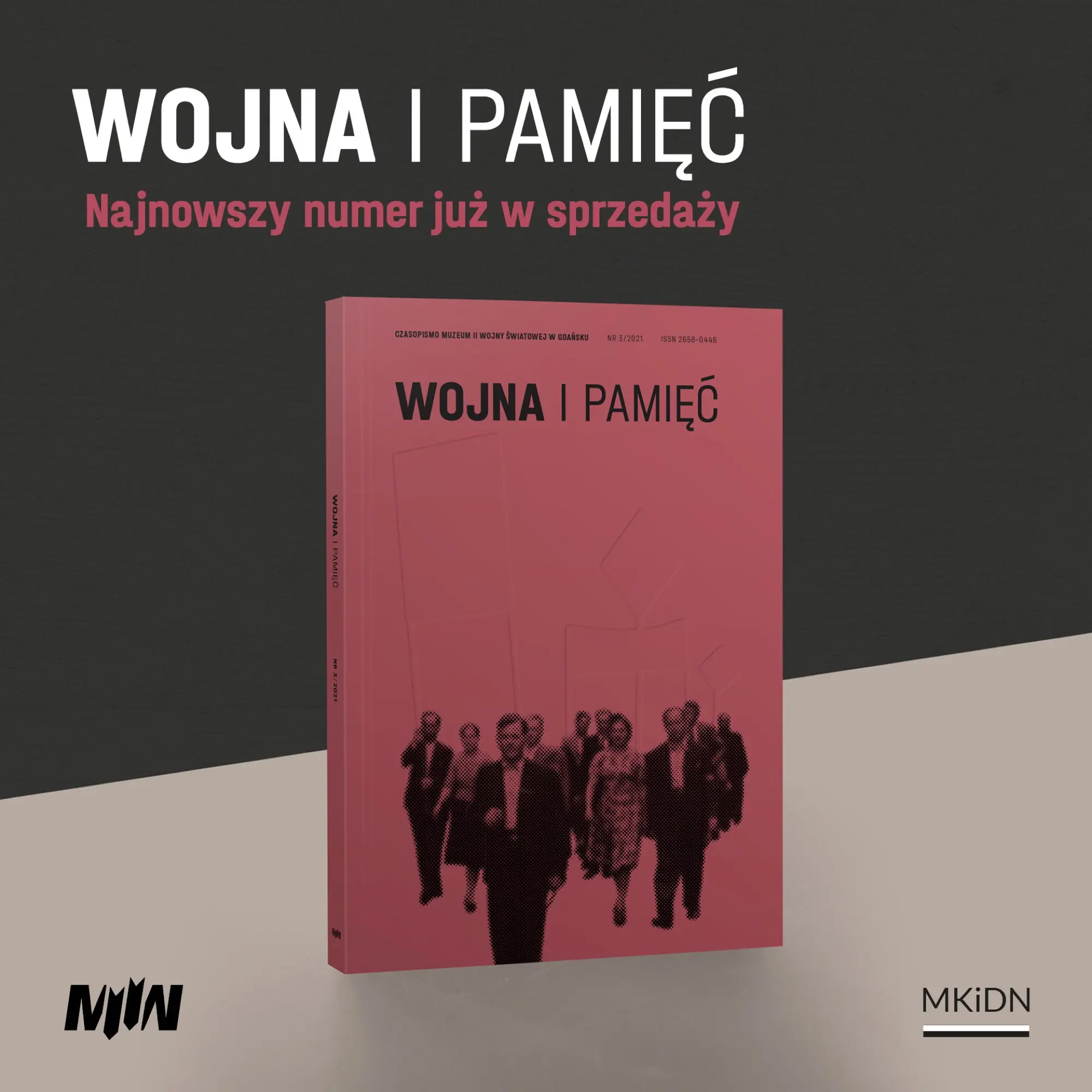
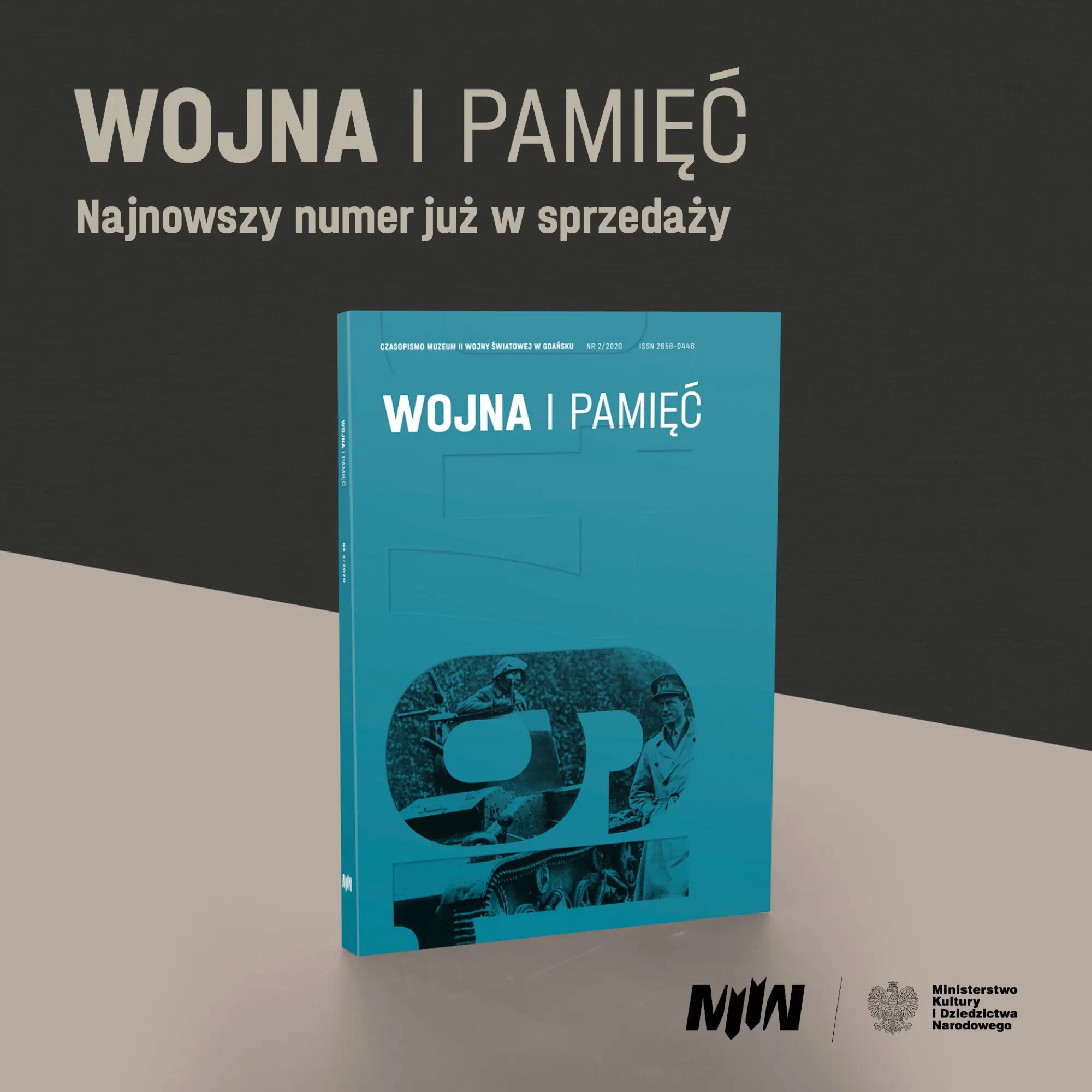
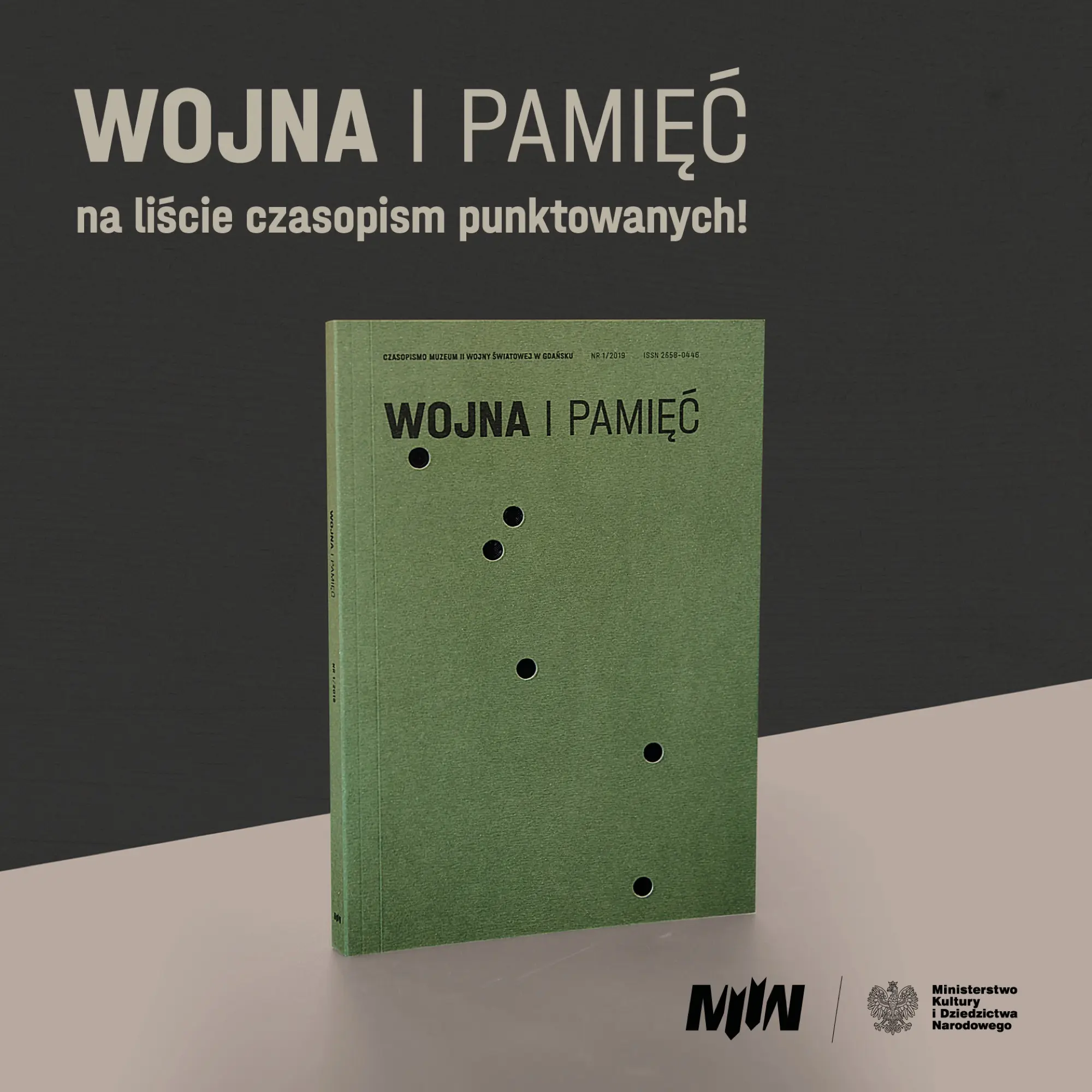
The issue opens with an article by Marzena Baum-Gruszowska, which presents an artistic approach to documenting the reality of occupation – through painting. Meanwhile, Magdalena Bialic’s piece, which examines beach fashion during the Second World War, highlights the desire to seek a semblance of normality in the difficult times of enslavement.
Kacper Gęsior describes a specific factor affecting the combat effectiveness of American soldiers – malaria. Przemysław Grzybowski, meanwhile, draws attention to the role of humour and laughter, which were just as important in that unbearable reality as the titular portion of bread.
Anastasiia Kheleniuk, Olha Shlakhova and Anastasiia Verkhovetska highlight contemporary aspects of cultural heritage protection, drawing on experiences from Ukraine. Stefan Marcinkiewicz, meanwhile, writes about the German prisoner-of-war and labour camp in Bogusze, which was established following the Third Reich’s invasion of the Soviet Union.
An article by Kacper Sawicki explores the experiences of Polish soldiers and civilians in Scotland. Meanwhile, Paulina Stanik describes how the inhabitants of distant Nepal perceived British soldiers.
In his article, Grzegorz Śliżewski outlines the activities of the border post in Menton, on the Italian-French border. Monika Garas’s text describes the fate of Polish prisoners, using the example of prisoners of war working at Westerplatte.
Andrzej Grzegorczyk addresses the rarely discussed issue of the looting of property belonging to murdered Jews, perpetrated by German perpetrators. Piotr Werens’s article presents an interesting fact concerning Nazi education – a collection of transparencies used by the occupying forces.
In his work, Marcin Westphal presents the lesser-known pre-war history of the cruise ship ‘Wilhelm Gustloff’ as a tool of Nazi propaganda. The issue concludes with an article by Robert Domżał, which describes the fate of the prisoners of Stutthof, shedding light on the facts surrounding the evacuation of this German concentration camp.