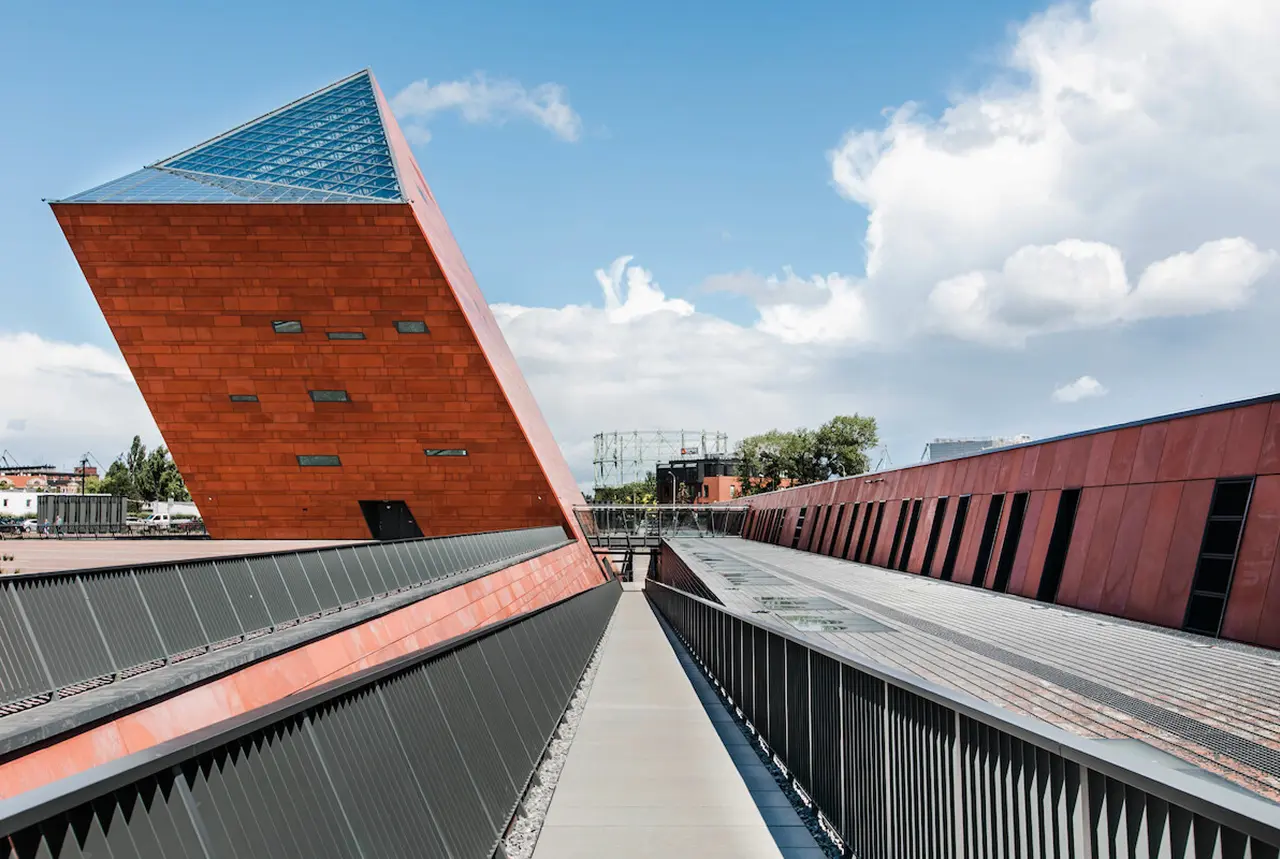
The museum will focus on three values: the authenticity of the battlefield, the Polish attitude during World War II, and remembrance – including the symbolic beginning of this tragic armed conflict. The aim of the institution will therefore be not only to present the heroic seven-day defence of Westerplatte against the Germans, but also to place it in a broader context – the fight for the homeland during the Polish campaign of 1939.
Mission of the Westerplatte Museum
-
-
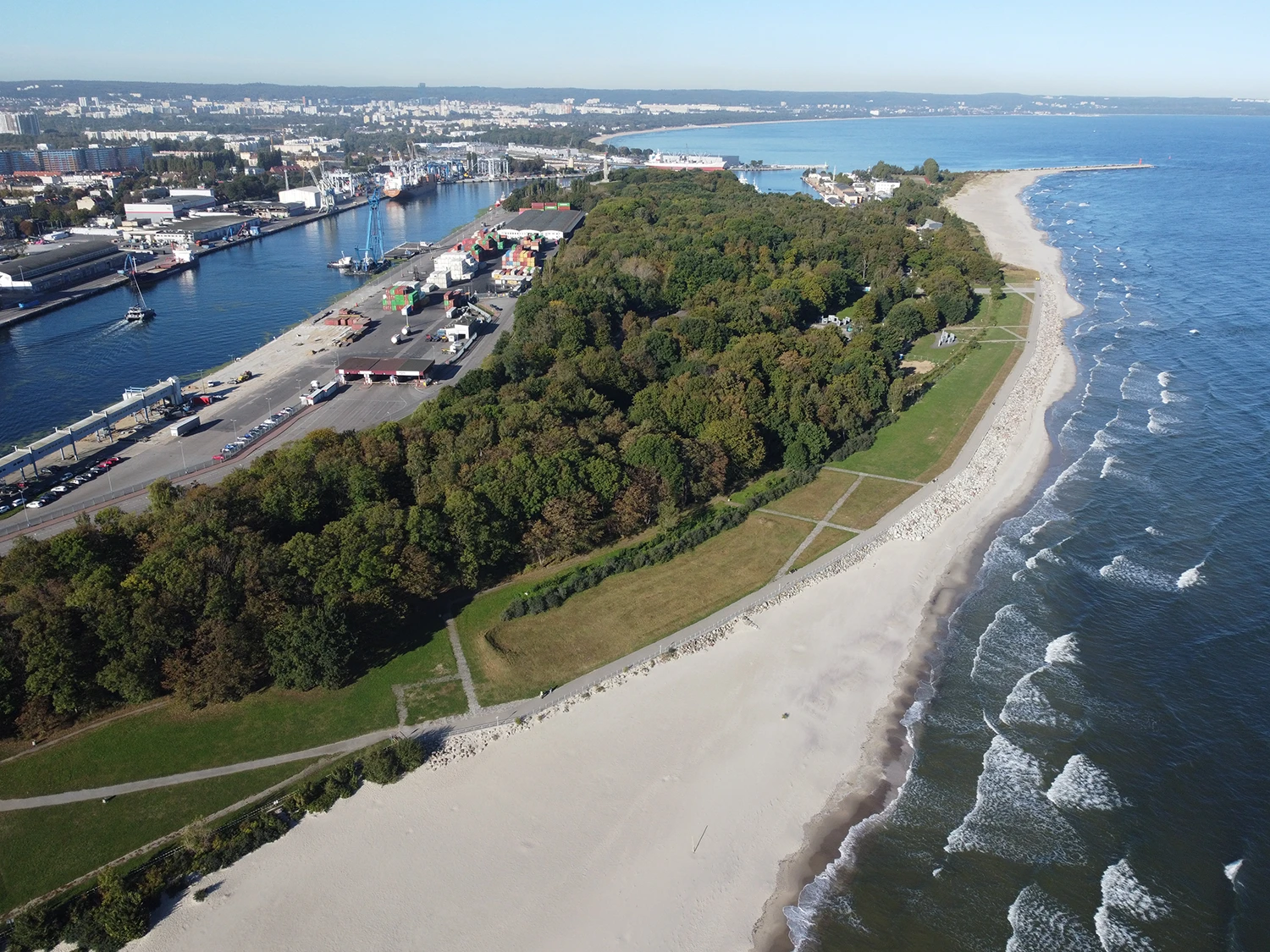
The unique location of the museum will provide visitors with more than just an opportunity to explore its exhibitions. The open-air nature of the museum will allow visitors to discover relics of the past in their original landscape.
Authentic facilities have been preserved at Westerplatte, bearing witness to both the Polish defence of the Military Transit Depot in September 1939 and the subsequent transformations of the area. Some of them, such as the power station building, will house exhibitions presenting selected aspects of the history of Westerplatte. Artifacts unearthed during archaeological work at Westerplatte will also be used there. Other sites, such as the ruins of the barracks, will serve as tangible reminders of the brutality of war and the changes that took place in the area after 1945. Some of the structures (e.g. ammunition shelters) will be reconstructed to show the WST area in its original form. These spaces will be adapted for exhibition purposes. Completely new facilities are also being built as part of the museum, but they are in line with the idea of preserving the memory of the heroic defenders of Westerplatte, the best example of which is the Polish Army Soldiers' Cemetery, opened in 2022. All these efforts are intended to help visitors understand the history of Westerplatte, as well as to build and reinforce awareness of the significance of this place and the importance of the seven-day defence of the Military Transit Depot in the context of the beginning of World War II. The investment would not have been possible without the involvement of a team of archaeologists who have been conducting excavations consistently for several years. Detailed research was conducted on an area of over 5,500 m². During the nine stages of the archaeological mission, numerous relics from the beginning of September 1939 were discovered under a layer of earth. These include over 60,000 artefacts, of which over 22,000 are items of significant exhibition and historical value. It was also possible to unearth and document the remains of buildings from the former depot, i.e. guardhouse No. 5, the officers' villa, the old barracks, the administration building, the non-commissioned officers' mess, the Mikołajewo outbuilding and ammunition shelters Nos. 8, 10, 11 and 12.
The archaeologists also contributed to restoring dignity to Polish defenders. During the fifth stage of research in 2019, they found the remains of nine soldiers who died in September 1939, seven of whom were identified; all were buried with dignity in the new Polish Army Soldiers Cemetery.
The planned museum will cover an area of approximately 26 hectares. The outdoor exhibition space will feature displays and information boards describing selected episodes from the history of this place that are important in terms of the museum's narrative. However, the most important content will be placed in exhibition spaces located in historical buildings – both authentic ones and those rebuilt in accordance with conservation guidelines.
Co-financed by the Minister of Culture and National Heritage
Multi-year programme entitled „Construction of the Westerplatte and War 1939 Museum – Branch of the Museum of the Second World War in Gdańsk”
-