Muzeum II Wojny Światowej w Gdańsku - Muzeum Westerplatte, Gdańsk 1939, Wystawa Westerplatte
Letter to architects from the Prime Minister of the Republic of Poland Donald Tusk
March 9, 2010
Ladies and Gentlemen,
The Museum of the Second World War, which is being created in Gdańsk, will commemorate the biggest and most tragic conflict in the history of humanity. It will present the war as the shared experience of many na tion s, one that may never be forgotten. We would like this place to serve as a space for reflection about the fragility of peace, the cruelty of war and the horrifying criminality of totalitarian regimes.
 
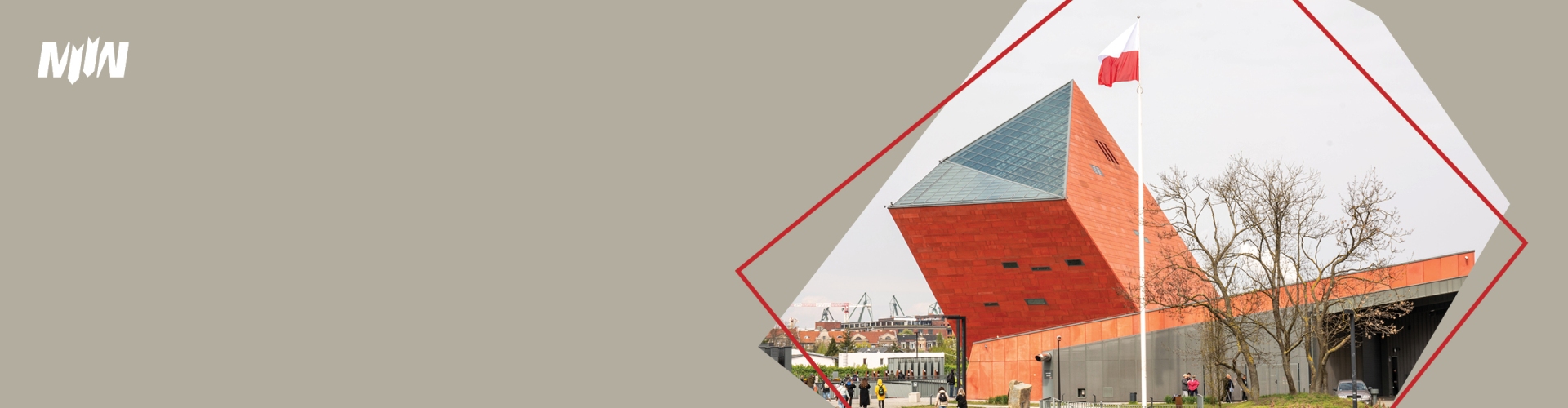
I believe that the stature of the Museum, as well as the message it carries, will depend considerably on the architectural form of the building housing it. If our plans are to succeed, this building must become a widely recognized symbol of the history of the 20th century, a visiting card for the city of Gdańsk and a reminder that it was here that the Second World War broke out.
Understandably, the preparation of a design for the building of the Museum of the Second World War is an exceptional creative challenge. But aren’t such challenges the only truly interesting ones? This is why, full of hope, I invite you to take part in this competition!
Yours respectfully, 
Donald Tusk, Prime Minister of the Republic of Poland

LETTER TO ARCHITECTS FROM THE PRI ME MINISTER OF THE REPUBLIC OF POLAND DONALD TUSK

Warsaw, March 9, 2010

Ladies and Gentlemen,

The Museum of the Second World War, which is being created in Gdańsk, will commemorate the biggest and most tragic conflict in the history of humanity. It will present the war as the shared experience of many nations, one that may never be forgotten. We would like this place to serve as a space for reflection about the fragility of peace, the cruelty of war and the horrifying criminality of totalitarian regimes. I believe that the stature of the Museum, as well as the message it carries, will depend considerably on the architectural form of the building housing it. If our plans are to succeed, this building must become a widely recognized symbol of the history of the 20th century, a visiting card for the city of Gdańsk and a reminder that it was here that the Second World War broke out.

Understandably, the preparation of a design for the building of the Museum of the Second World War is an exceptional creative challenge. But aren’t such challenges the only truly interesting ones? This is why, full of hope, I invite you to take part in this competition!

Yours respectfully, 

Donald Tusk, Prime Minister of the Republic of Poland


* * *


"So, war is here! From this day on, all our other affairs and concerns must become secondary. We are shifting our whole public and private lives onto a special track. We have entered a time of war. The whole nation’s energies must be steered in a single direction. We are soldiers, one and all! We must think about a single goal: to fight until victory!" - these words of a Polish Radio announcer on 1st of September 1939 are still ringing in the ears of Poles just like the sounds of the alarm warning the London dwellers against the German bombing raid. Every nation has its own idea of the War and every nation concentrates on its own suffering as it constructs its memory of the past. For some, the War began in 1939, for others in 1940 or 1941. There is no consensus about the War outcomes: as the peoples of the West celebrated their regained sovereignty, for the nations of the East-Central Europe the War ended in a new, this time Soviet, captivity.

We want to create a museum in Gdansk that will show the Poles as the first nation to stand up Hitler, in the name of freedom and fundamental human values. The defence of these values was the most important reason for the cataclysm of this war. At the same time, we want to present the experience of other nations that were conquered and occupied, that offered resistance and fought on the fronts and underground as well as with acts of civil disobedience. The commonalities and differences in the fortunes of countries should merge into a full picture of this most important and most disastrous event in the history of the 20th century.

Our Museum intends to emphasise what has until now most often been passed over: the fates of civilian populations, the daily life of soldiers and the various forms of resistance and of life in the extreme conditions brought on by war and occupation. We will address the issues of responsibility, guilt and punishment. We are planning to open the Museum in 2014.