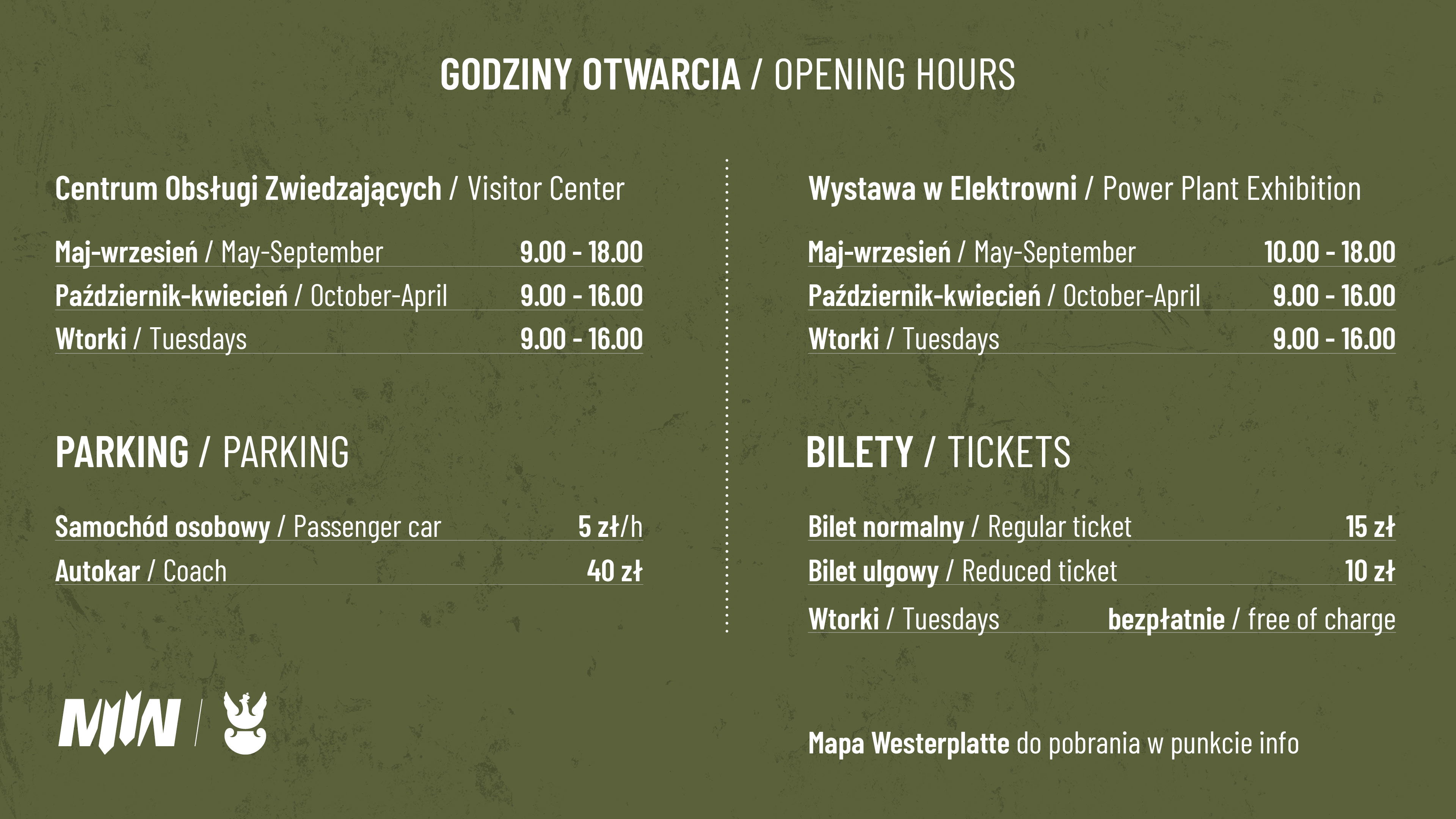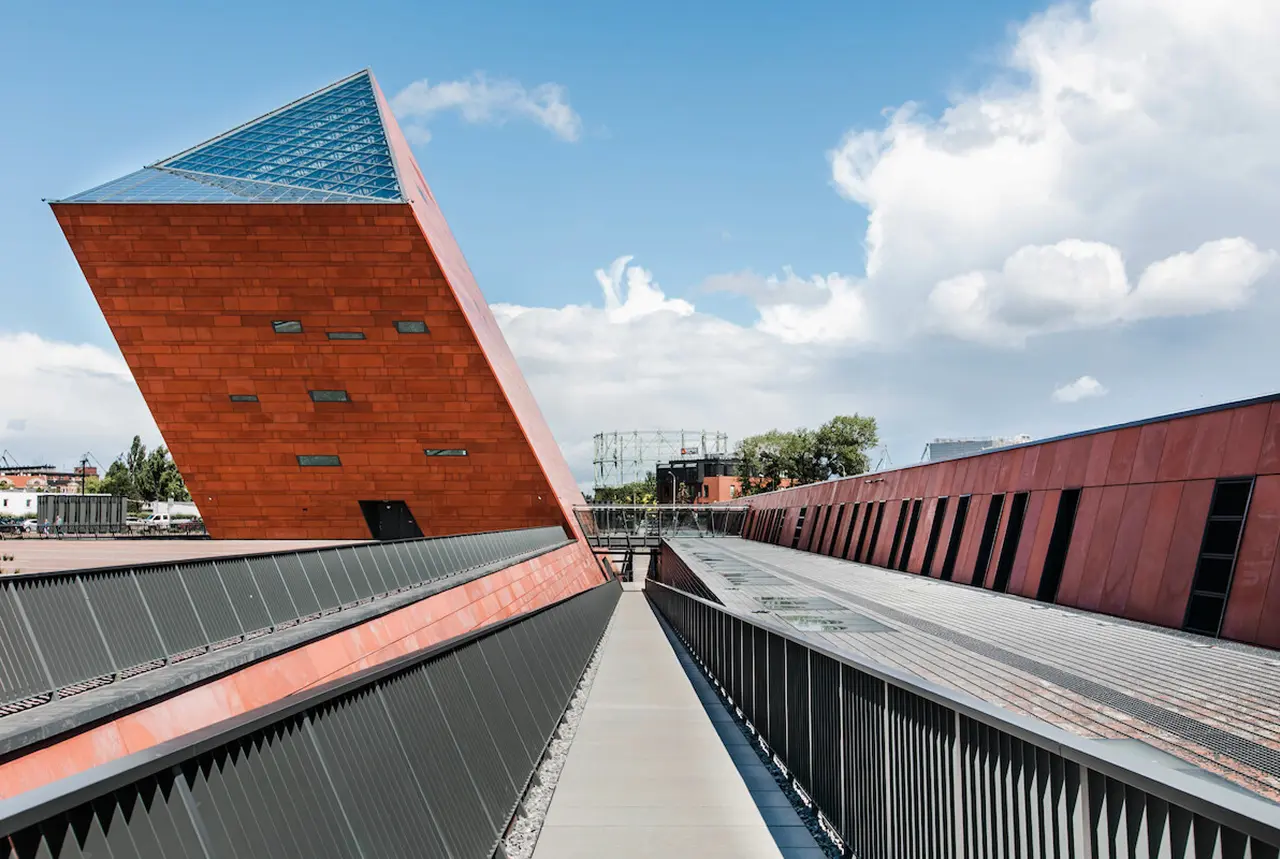

Last weekend at Westerplatte, the Museum of the Second World War in Gdańsk opened to visitors, for the first time, two new facilities: the archaeological exhibition ‘Memory buried beneath the surface. Archaeology of Westerplatte’, located in the former depot’s power plant building, and a modern Visitor Centre.
The location of the exhibition ‘Memory buried beneath the surface. Archaeology of Westerplatte’ is not coincidental – it is the historic former power plant building of the Polish Military Transit Depot, renovated and arranged for exhibition purposes. The exhibition features archaeological discoveries related to the site and the camp for Polish civilian prisoners set up by the Germans after the fighting at Westerplatte. The curators aim to make visitors aware that Westerplatte is not only a peninsula heroically defended by a small unit of Polish soldiers, but also the site of German crimes against Polish civilians.
The exhibition also intends to highlight the symbolic significance of Westerplatte as the place where the Second World War began. It brings the history of the peninsula from the 17th century to the early 1940s, shows the everyday life of the depot and the difficult and responsible service of Polish soldiers in the face of growing hatred of the Germans towards Polish presence in the area of the Free City of Gdańsk.
In the Visitor Centre ‘Westerplatte Battlefield’ [Centrum Obsługi Zwiedzających ‘Pole Bitwy Westerplatte’], meanwhile, the Museum intends to pursue its mission through educational, cultural and popularisation activities. Author meetings, temporary exhibitions and lectures are planned. At the information desk, visitors will obtain information related to the history of Westerplatte. Assistance in planning the route, finding a guide and finding information will help discover the monuments in the area. The building overlooking the sea – and in the near future with food and drink outlets – also provides tourists with a rest stop. The building is adapted for people with disabilities.
The official opening of the facilities attended by, among others, Hanna Wróblewska, Minister of Culture and National Heritage, Minister Lech Parella, Secretary of State at the Ministry of Culture and National Heritage, and Piotr Grzelak, Deputy Mayor of the City of Gdańsk for Sustainable Development and Investment, took place on Monday, 28 April 2025. Both investments received financing from the Ministry of Culture and National Heritage.