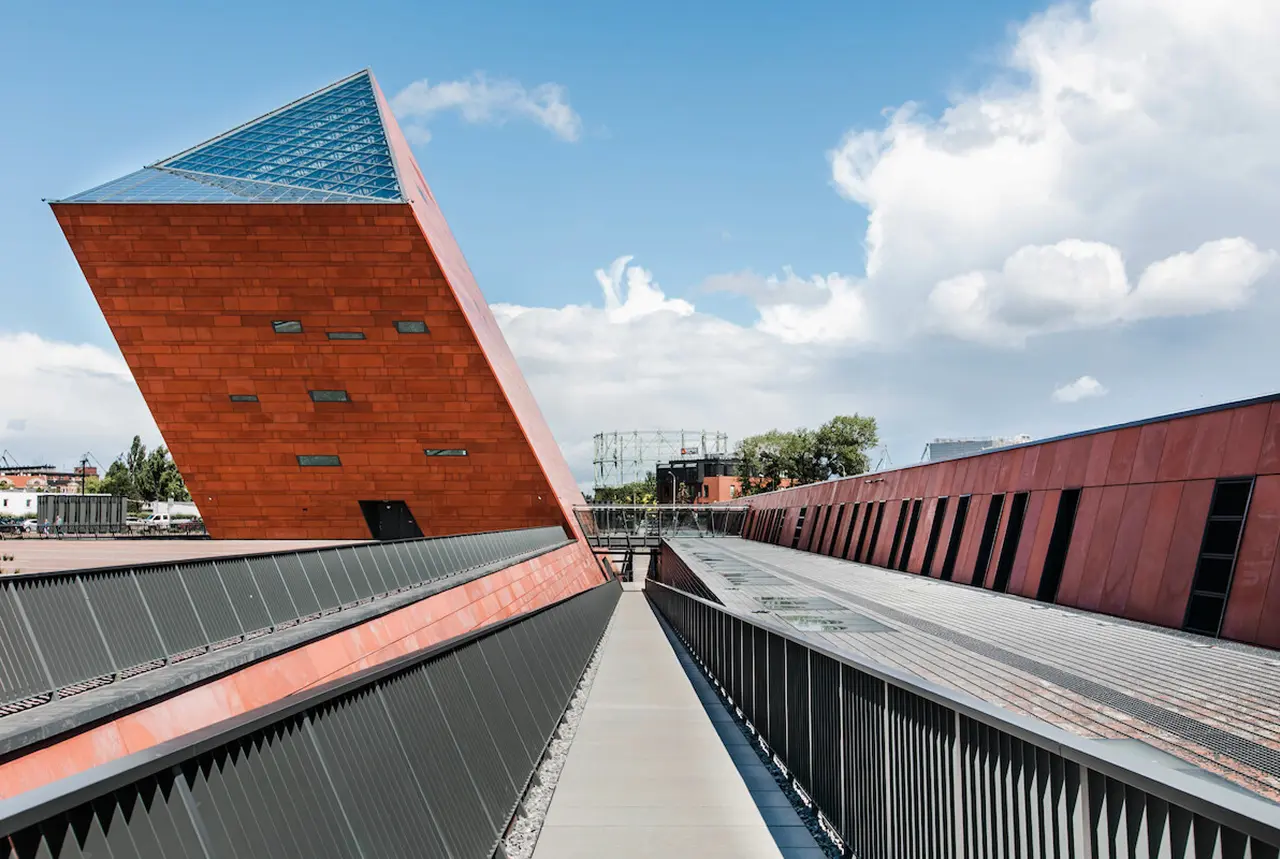
The main exhibition of the Museum of the Second World War
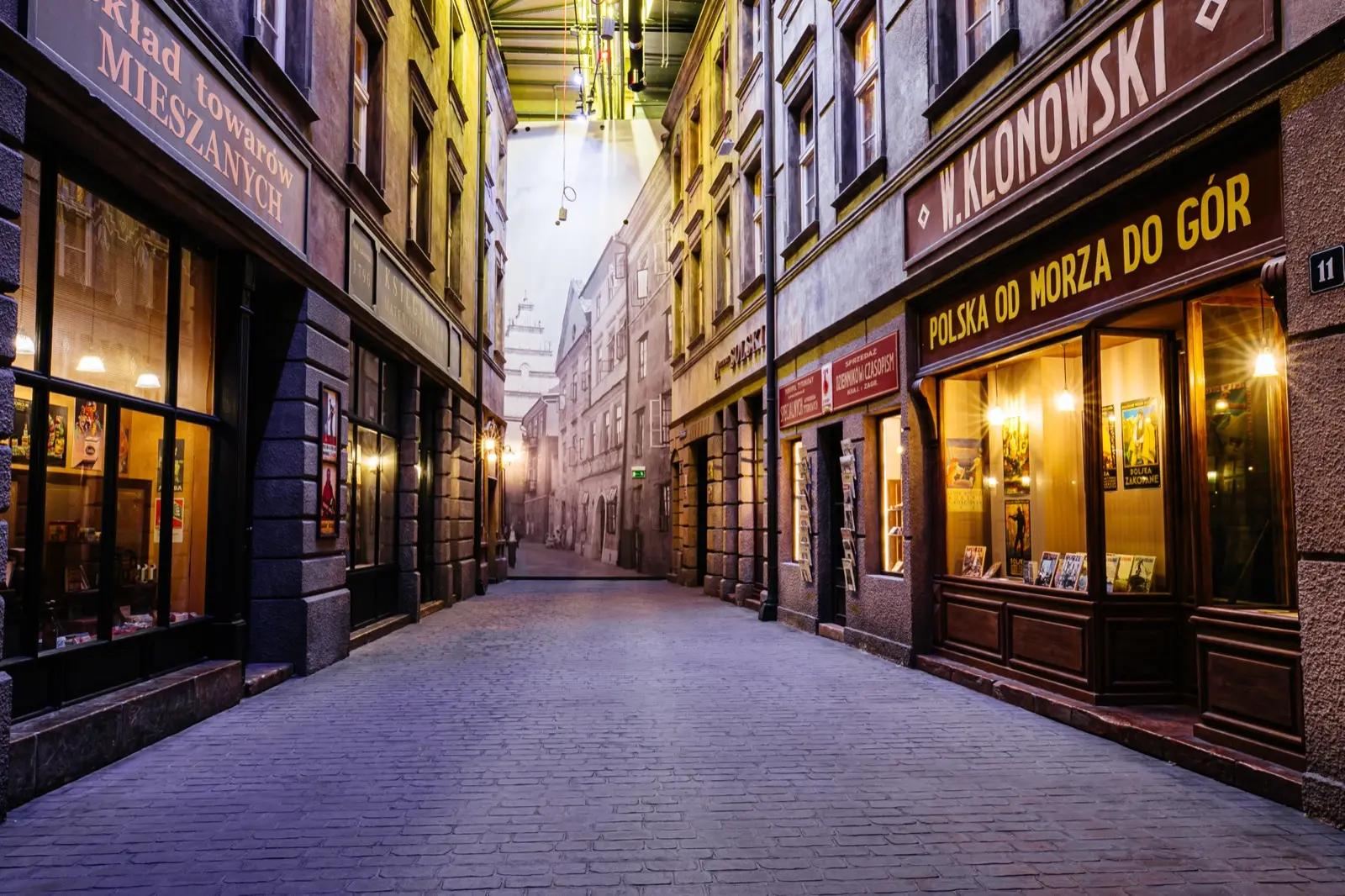
The heart of the museum is the main exhibition, with area of over 6,000 square meters, which makes it one of the largest exhibitions presented by historical museums in the world. It is located 14 meters underground. The exhibition presents story about the tragic experience of World War II, about its genesis and consequences, about victims and perpetrators, about heroes and ordinary people. It is meant to resemble a history lesson that we must not forget.
The main exhibition consists of three narrative blocks: "The Road to War", "The Terror of War" and "The Long Shadow of War". The exhibition illustrates the Polish experience of war, against a background of the wider European and world context.
-
-
60006000
The exhibition covers an area of over 6,000 m2 and is one of the largest museum exhibitions in the world.
-
30003000
3,000 exhibits related to World War II, from everyday objects to documents and artifacts
-
260260
260 multimedia stations presenting historical audio and video materials
-
-
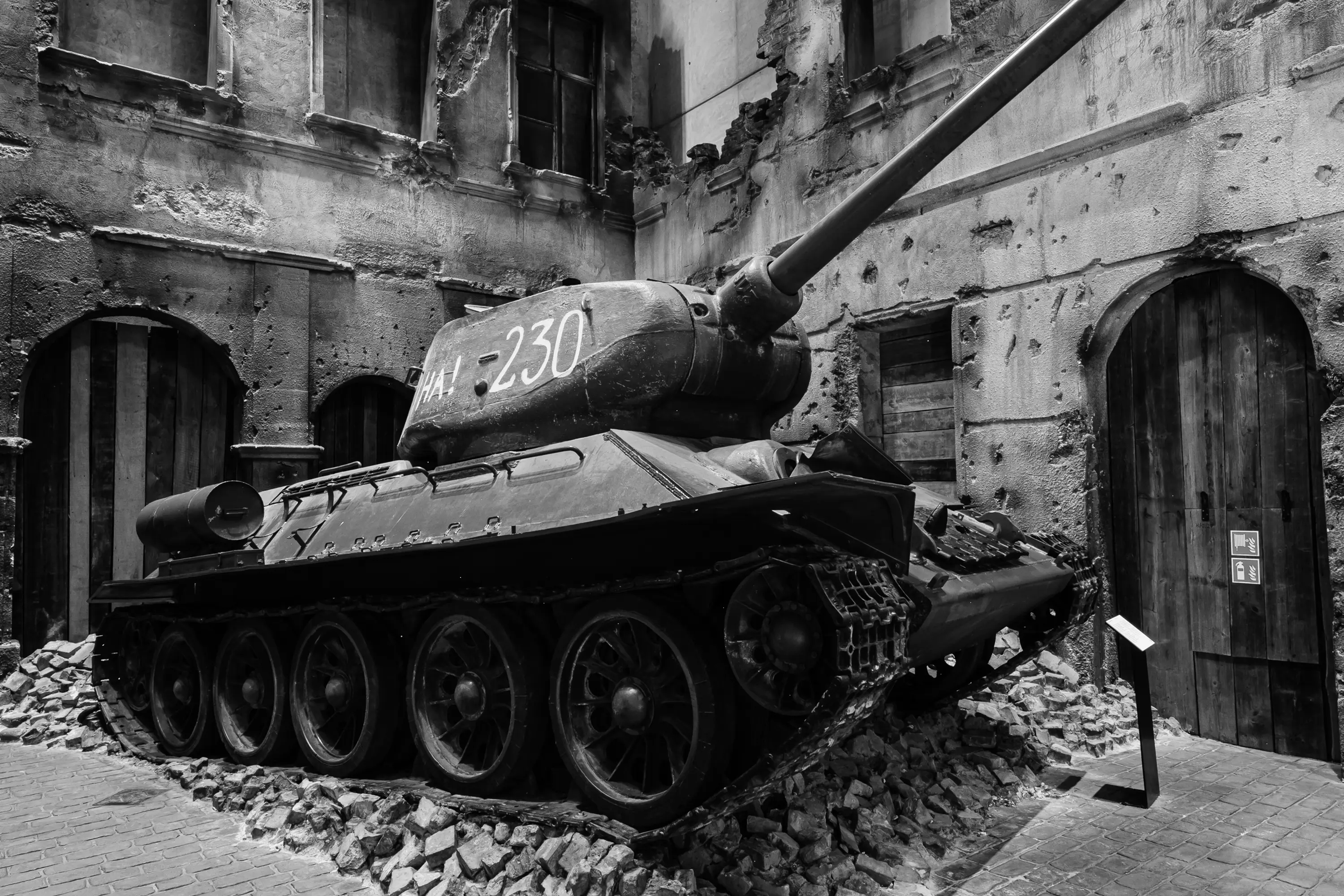 The main exhibition consists of three narrative blocks
-
1
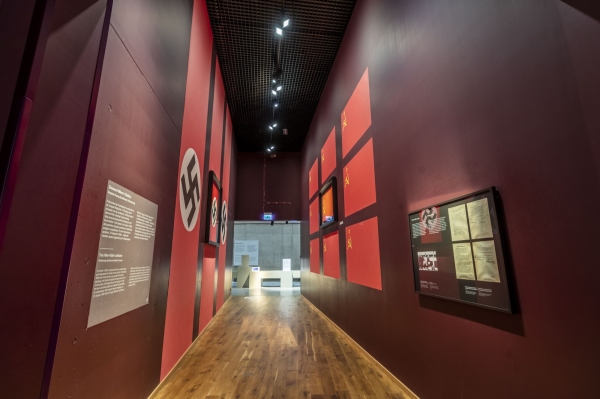
The first of the thematic sections of the exhibition, entitled Road to War, is devoted to the genesis of the conflict.
A lot of emphasis is placed on showing the forces which sought to overthrow the so-called pre-war ‘Versailles’ order – the forces of Nazism, Italian fascism, communism and Japanese imperialism - as factors which brutalized politics and influenced the consciousness of people at that time and which paved the way to World War II.
-
2
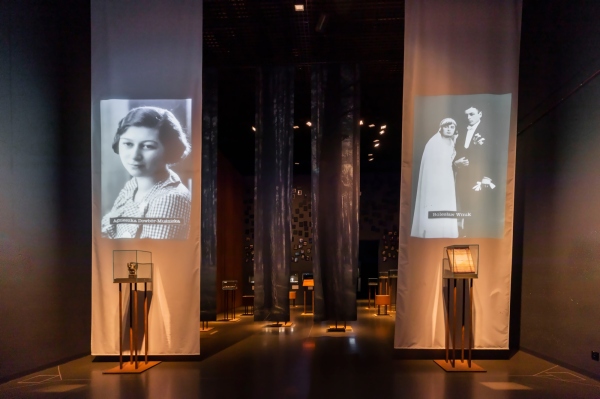
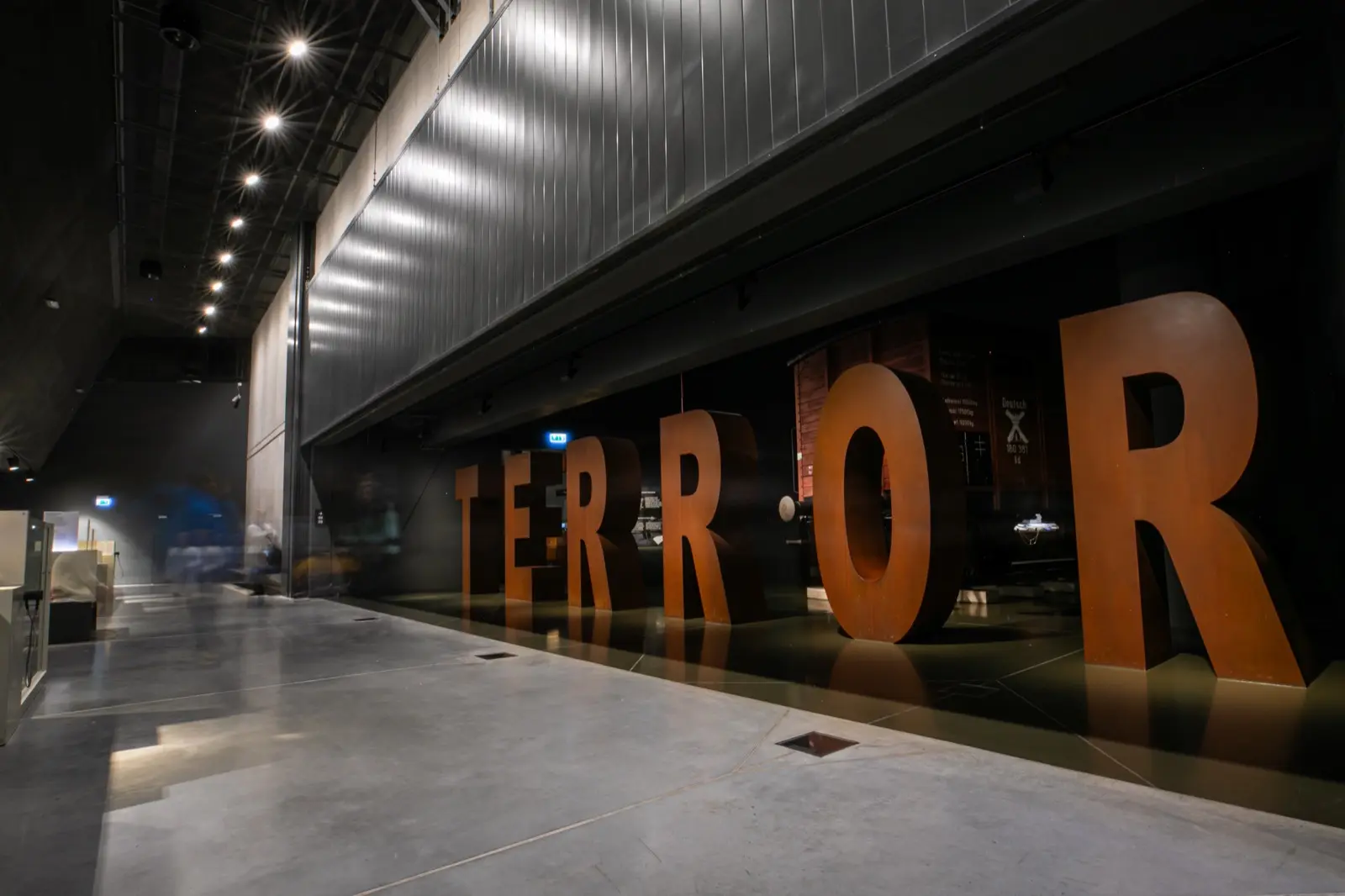
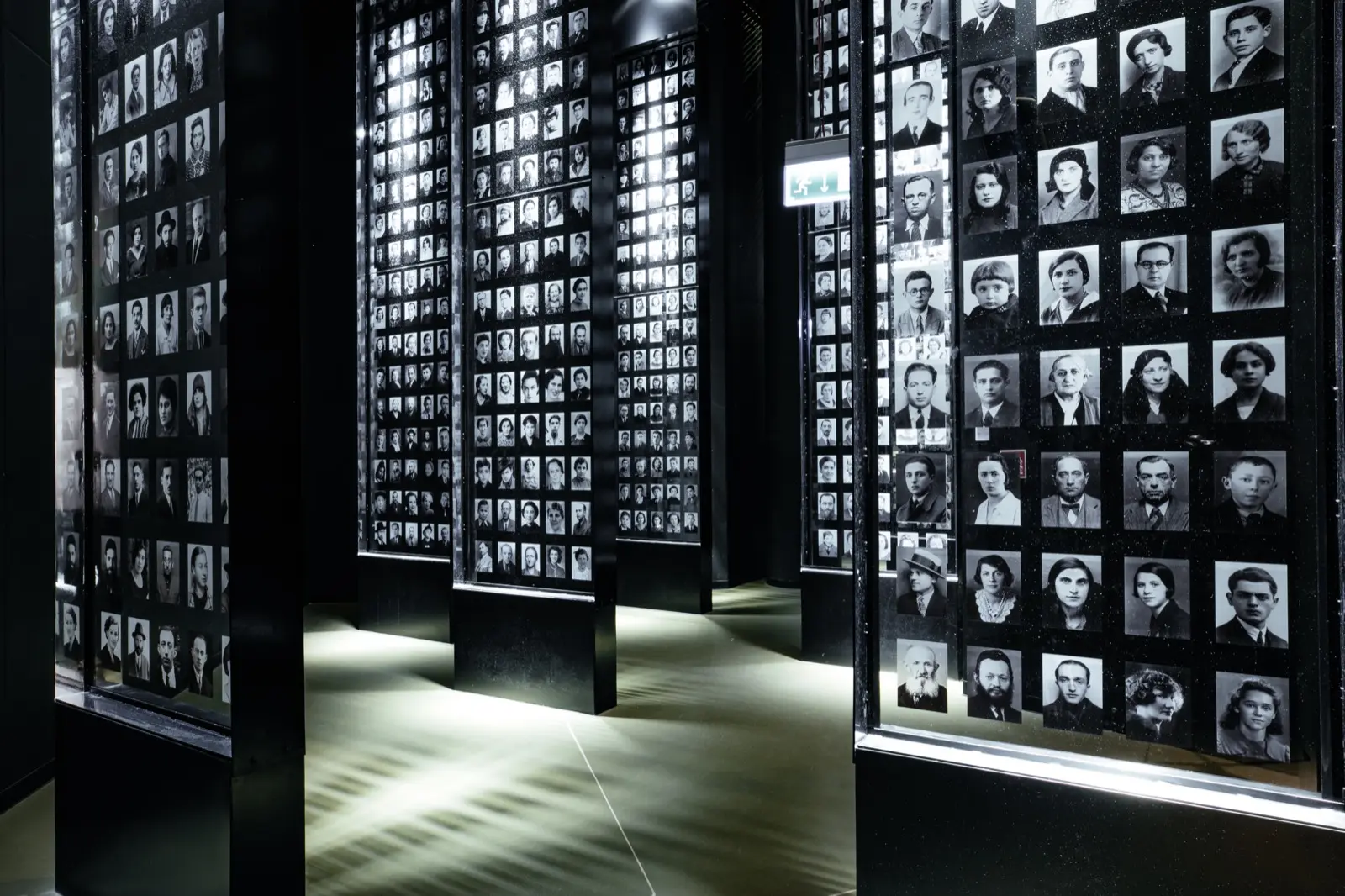
The dominant theme of the section of the exhibition entitled Horror of War is the fate of ordinary people. The narrative about the criminal nature of World War II and occupation, also takes into account other cases of genocide, terror and exploitation of the civilian populations.
-
3
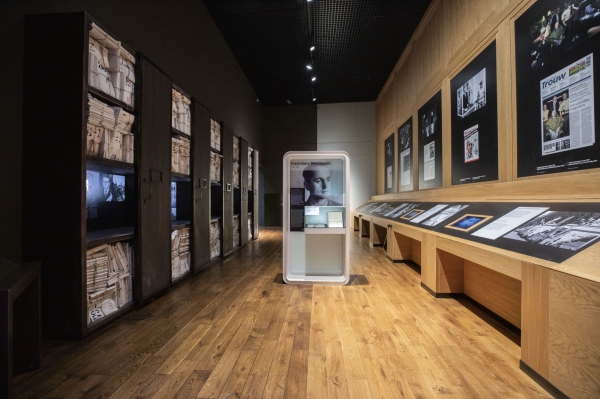
The third part of the exhibition is a section entitled Long Shadow of War.
This connects the story of the end of the war - the fall of the Third Reich, the liberation of Europe while, at the same time, part of its subordination to the Soviet Union, the dropping of the nuclear bombs on Japan - with a narrative about the consequences of the war.
-
-
The main exhibition project
The main exhibition was designed by the Belgian studio Tempora, which was selected in the international competition for the exhibition design of the Museum of the Second World War in 2009. Particularly important in this project is the departure from the concept of a board exhibition towards a diversified spatial exhibition. The attractiveness of this project is also proven by the richness of scenographic forms and the originality of the proposed exhibition solutions. The scenographic values of the project will provide visitors with the opportunity to emotionally identify with the historical context and individual human experiences during the war.
Tempora design studio based in Brussels, was founded in 1998. It specializes in the concept, implementation and promotion of cultural exhibitions. Tempora's achievements, in addition to winning the competition for the concept and implementation of the main exhibition of the Museum of the Second World War, include: scenography design at the Battle of Waterloo Memorial, the Museum of Europe in Brussels and the Ostrów Tumski History Center in Poznań. In 2007, an exhibition prepared by Tempora was presented in Brussels entitled Europe - this is our history!, about the process of creating the European Union, which was also presented in Wrocław.


